


 +170
+172
+170
+172
 iron.hide •
25. 11. 2017 o 20:36 +170
+172
iron.hide •
25. 11. 2017 o 20:36 +170
+172
E-diot
Myslim ze netreba vysvetlovat.



posledný komentár: 5. 7. 2023 o 16:53




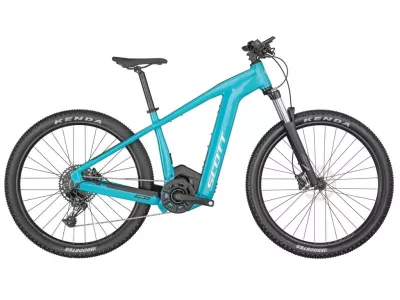
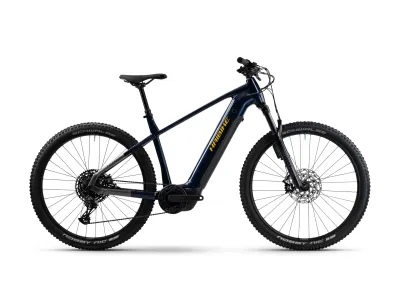
Novinka -17% Haibike Alltrack 11 ABS 29 elektrobicykel, blue/titan/yellow glossy
3 999 €
-17%
MOC 4 799 €
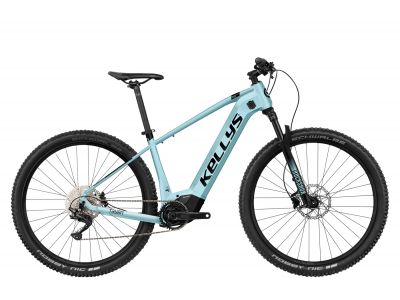
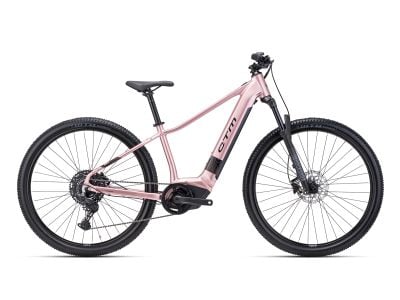
Novinka CTM RUBY GX PRO 29 dámsky elektrobicykel, staroružová perleť
od 1 998 €
MOC 2 399 €
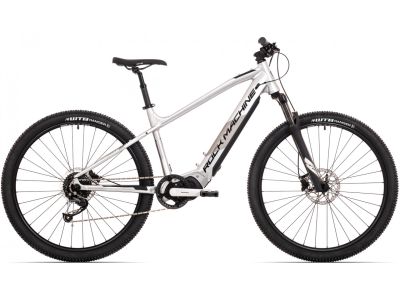
Akcia -37% Rock Machine Torrent INT e30-29 elektrobicykel, strieborná/čierna
1 679 €
-37%
MOC 2 649 €
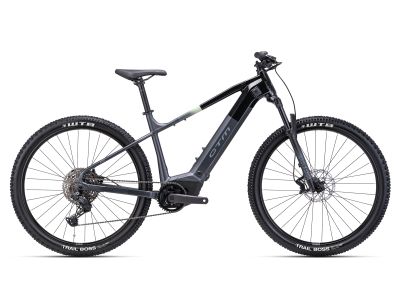
Novinka CTM WIRE GX Xpert 29 elektrobicykel, matná kovová čierna/lesklá čierna
2 599 €
MOC 2 799 €
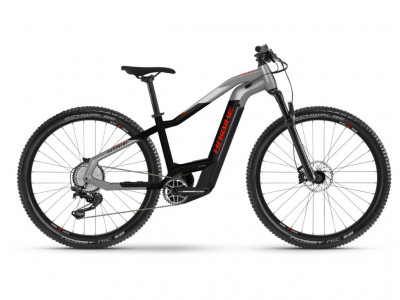
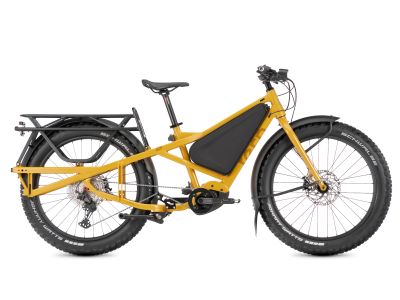
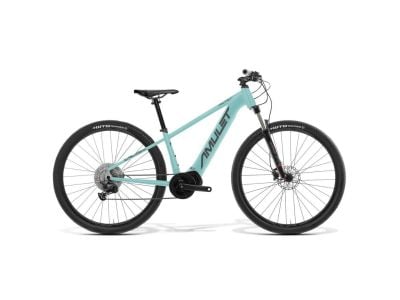
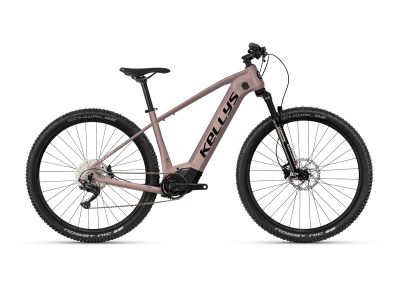
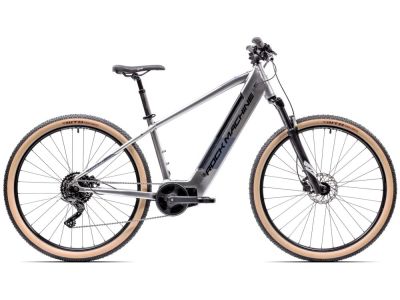
Výpredaj -19% Rock Machine STORM INT e70-29 elektrobicykel, gloss silver/black/grey
1 449 €
-19%
MOC 1 789 €
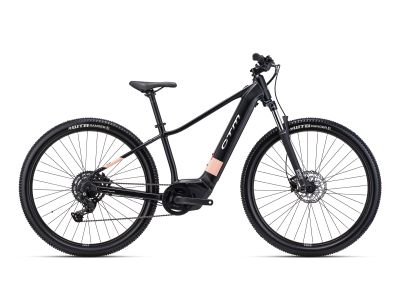
Novinka CTM RUBY GX 29 dámsky elektrobicykel, matná čierna/lesklá staroružová
od 1 899 €
MOC 2 199 €
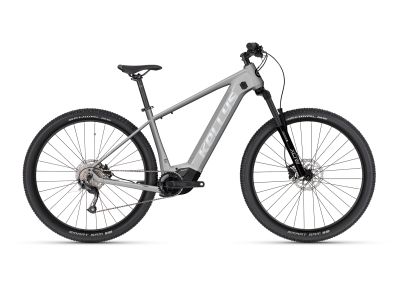
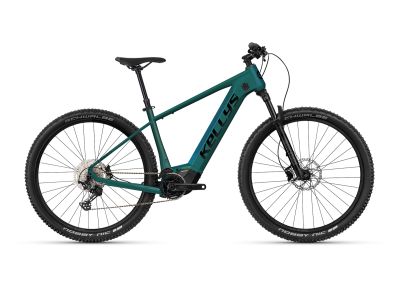
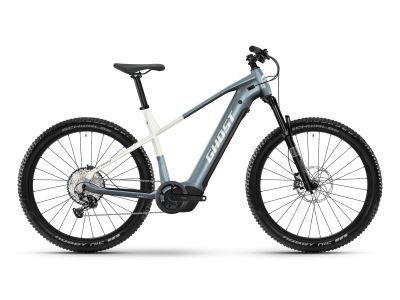
Novinka GHOST E-Teru Pro 29 elektrobicykel, storm grey/chilly white
3 999 €
MOC 4 699 €
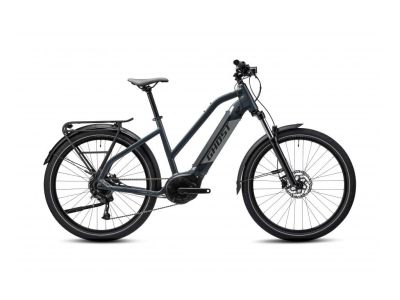
Výpredaj -28% GHOST E-Teru Essential Ladies 27.5 EQ dámsky elektrobicykel, dark grey/light grey gloss
2 149 €
-28%
MOC 2 999 €
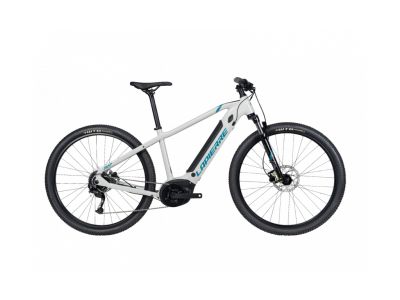
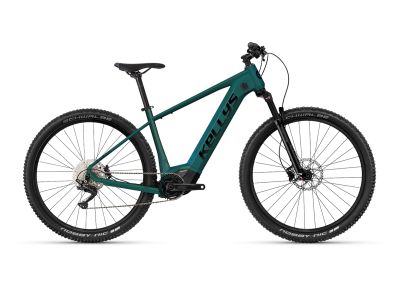
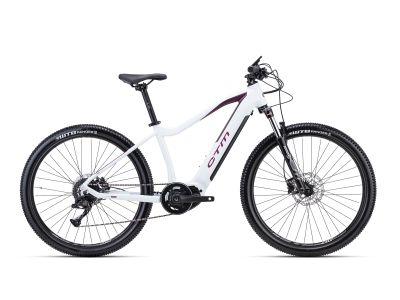
-13% CTM RUBY 27.5 dámsky elektrobicykel, biela perleť/purpurová
1 399 €
-13%
MOC 2 299 €


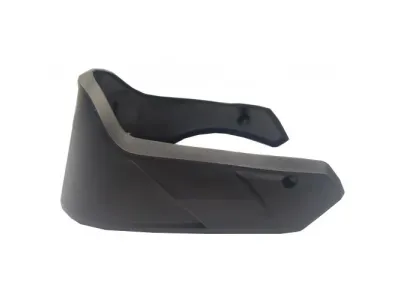

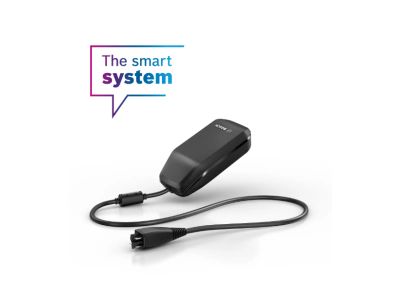
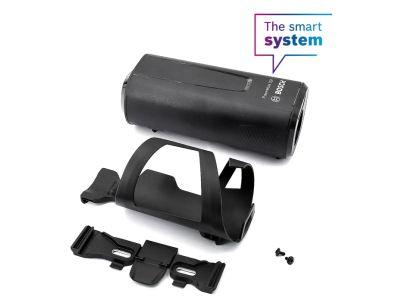

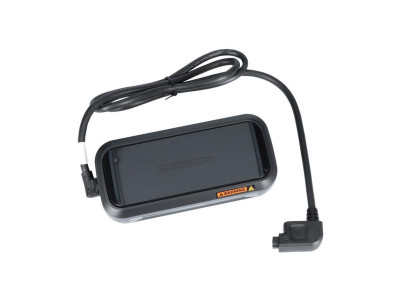


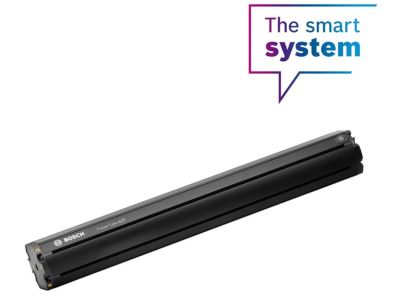
Výpredaj savings Bosch PowerTube BBP3760 Horizontal batéria, 625 Wh
467 €
savings
MOC 699,90 €




 arrow_outward

Ráno to ešte bolo na bundu (Paclite Goretex), ale južný vietor spôsobil, že poobede bolo dosť teplo, dokonca až na plavky. Teda aspoň tu v Bratislave
The next great cycling scandal isn’t about blood or drugs — it’s about motors.
Hidden motors are quietly rewriting the rules of competition.
In the world of competitive cycling, a new form of cheating has emerged that's potentially more devastating than traditional doping: hidden motors in bikes.
From amateur races to professional tours, this technological fraud is challenging the very essence of the sport.
Here's a deep dive into the world of mechanical doping and its impact on cycling.
The Origins of Mechanical Doping
The story begins in 1998 when Hungarian engineer Stefano Vargas claims to have invented the first truly hidden bike motor. In a startling revelation, he allegedly sold this groundbreaking technology to an anonymous buyer for nearly $2 million, with the condition that he wouldn't build another motor for 10 years. This secret transaction occurred during cycling's notorious EPO era, suggesting that while the world focused on blood doping, a new form of cheating was quietly emerging.
The First Confirmed Cases
The cycling world got its first concrete evidence of mechanical doping in January 2016 at the UCI World Cyclocross Championships. Femke Van Driessche, a 19-year-old under-23 women's racer, was caught with a hidden motor in her spare bike. This groundbreaking case resulted in a six-year ban and substantial fines, marking the first confirmed instance of motor doping in cycling history.
The Amateur Circuit: An Unexpected Battleground
Surprisingly, the most dramatic cases of mechanical doping have occurred in amateur and masters racing:
The Italian Master's Case (2017): A 53-year-old amateur rider was caught using a motor hidden in his seat tube, detected by thermal imaging cameras.
The French Amateur Incident (2017): Serial Fontana, a 43-year-old amateur, was caught after a car chase when he tried to flee with his motorised bike.
The Vento Criterium (2019): Two suspected riders literally fled the scene in a van when confronted about potential motor doping, leading to a dramatic confrontation with other cyclists.
How Hidden Motors Work
These illicit systems ty*****lly come in two forms:
Seat Tube Motors:
Small cylindrical motors housed in the frame
Deliver approximately 200 watts of assistance
Controlled by discreet buttons hidden under handlebar tape
Cost between $3,000–$5,000
Electromagnetic Wheels:
More sophisticated system using magnets and induction coils
Nearly undetectable hardware
Significantly more expensive ($100,000–$200,000)
Detection and Prevention
The UCI and race organisers have implemented various detection methods:
Magnetic tablet scanners
Thermal imaging cameras
X-ray machines
Physical bike inspections
The Impact on Cycling's Culture
The emergence of mechanical doping has created a crisis of confidence in cycling. As former French anti-doping director Jean-Pierre Verdy noted, by 2015, complaints about potential motor use were widespread in the professional peloton. Even three-time Tour de France champion Greg LeMond has expressed serious concerns about the integrity of major races.
The Future Challenge
The battle against mechanical doping represents an arms race between cheaters and detection technology. As UCI's tech chief noted, "They're not going to do the same thing they did 10 years ago. So, we too need to evolve." This ongoing challenge requires constant vigilance and adaptation of detection methods.
Conclusion
Mechanical doping represents a serious threat to cycling's integrity at all levels. While the professional ranks have implemented strict controls, the amateur circuit remains particularly vulnerable. The combination of relatively accessible technology and limited testing at lower levels creates an environment where this form of cheating could flourish if left unchecked.
The cycling community's response to this threat will be crucial in preserving the sport's fundamental values of human achievement and fair competition. As French Secretary of State for Sport Thierry Bilard stated, "This problem is worse than doping. The future of cycling is at stake."
Co vlastne robia e-bikeri v zime? Uz dlho som ziadneho nevidel. Pritom som stretol babky na bicykli :-)
ved predsa toto: https://www.instagram.com/reel/DQq0PUkjdnb/?igsh=bXc5b2ZxMHpldXh3
E-bikerov (tých, ktorých nehejtujem) dochádzajúcich do práce stretávam stále. Aj teraz po snehu jazdili.