


 +807
+809
+807
+809
 matt •
8. 4. 2008 o 12:29 +807
+809
matt •
8. 4. 2008 o 12:29 +807
+809
nedalo mi to sem nedat ked som zbadal ten dalsi Petov super vysledok...klobuk dolu a dufam ze mu to bude aj nadalej jazdit.
myslim ze v tejto teme mozeme rozoberat vsetko co sa tyka pretekov kde sa objavia nase nadeje



posledný komentár: 2. 9. 2025 o 13:24



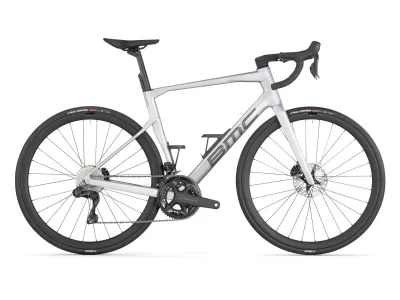
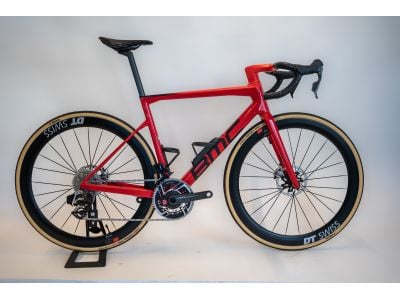
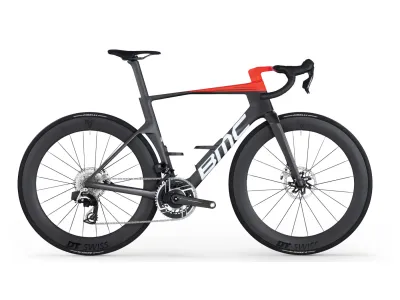
Novinka -15% BMC Teammachine R 01 ONE bicykel, carbon/neon red
9 999 €
-15%
MOC 12 999 €
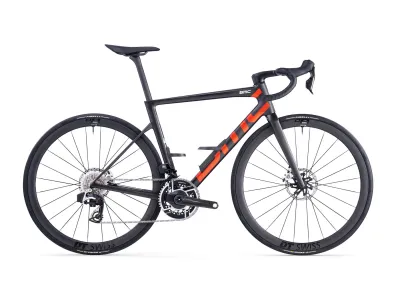
Novinka -8% BMC Teammachine SLR 01 ONE bicykel, carbon/neon red
11 999 €
-8%
MOC 12 999 €
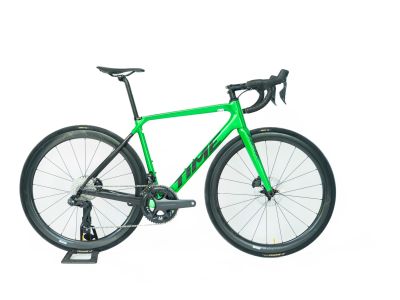
-44% TIME ALPE D’HUEZ DISC bicykel, brilliant green, testovací
4 999 €
-44%
MOC 8 999 €

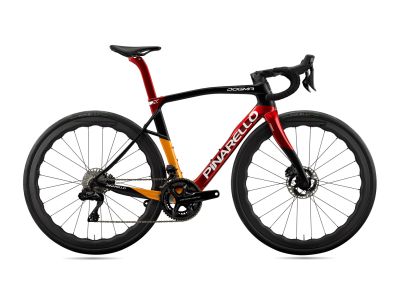
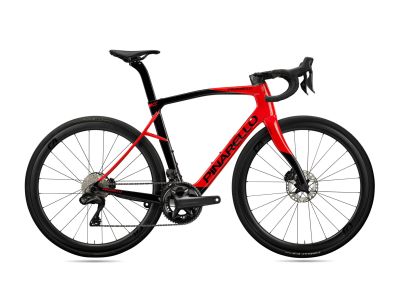
Novinka -28% Pinarello Dogma X DuraAce Di2 bicykel, xolar sun
od 10 999 €
-28%
MOC 15 299 €

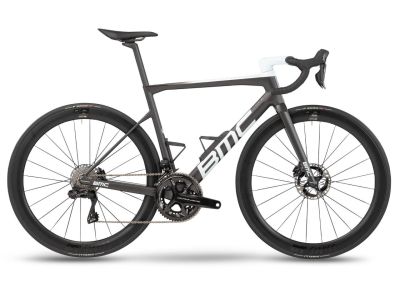
-6% BMC Teammachine SLR01 TWO bicykel, carbon/white, redakčný bicykel
10 999 €
-6%
MOC 12 999 €

 arrow_outward

Kristina pisal som ze sa prevazne pouzivali 12, 13 teraz 15 a viac.
Číňan je rýchly
Ano. Presne o toto ide. O tvar a v podstate obsah stycnej plochy medzi pneu a cestou. Niekde bolo video o tom aj s wattovym vyjadrenim. Ale toto mozno je zaujimave v ProT. Mozno v casovkach alebo typom cesty. Na Paris -R si nemyslim ze si niekto obuje 23" .
Ja som mal 25" asi
4 r a teraz 23. 25" isli tichsie a 23"sa mi zdaju hlucnejsie. Ale neviem ci aj rychlejsie ale urcite citim viac "cestu". Cim horsia tym horsie na ruky. 25" boli na nase cesty fajn. A je co vsetci vieme je zasadny rozdiel v jazde na 23 s tlakom na 12 a jazde na 25" s tlakom na 8.
Ako ukazuje test watty su zanedbatelne ide zrejme viac o vahu na obvode.
https://youtu.be/zuWFH1qI1i4
Ja osobne ked dojazdim 23 tak sa vratim k 25.
Tvar plášťa sa IMHO zmení iba keď tú istú šírku plášťa (napr.23mm) namontuješ na širší 17mm alebo na užší 13mm rafik.
To je práve ten paradox čo mnohí nedokážu teoreticky pochopiť, že styčná plocha 25mm a 23mm je dokonca rovnaká ako pri 19 mm úzkom plášti
“…The bottom of the tire, the part touching the road, deforms under the load it is carrying, flattening out into what is called a “contact patch.” How large is this contact patch? It should be easy to see that the size depends on the tire pressure and the load. No load, or rock-hard pressure, and the tire doesn’t deform at all: the contact patch is just a tiny point. Heavy loads and less pressure increase the size of the patch…Some bicycle tires, too, have stiff portions of tread…But it is still true that for tires of similar construction, two tires with the same load and pressure will have the same contact area. Notice that we have not mentioned tire width at all. The omission is intentional, because the area of the contact patch does not depend on the width of the tire. Inflated to 90 psi and fitted to a bike under the same rider, a super-narrow 700C x 19 clincher would have the same contact patch area as a medium-width 700C x 25 or a 700C x 32 loaded touring tire. Only the shape of their contact patches would be different.”
Citát z knihy Performance Cycling, od Stuarta Bairda.
Sheldon tiež píše nasledovné: "A common debate among cyclists centers on the issue of whether a wider tire has more or less rolling resistance at the same pressure. The constant pressure is proposed because it appears more scientific to eliminate this as a variable, but this is not realistic in practice. The short answer to this question is that, yes, a wider tire of similar construction will have lower rolling resistance than a narrower one at the same pressure."
A na záver ešte citát z http://road.cc/content/feature/182519-trend-spotting-why-you-need-switch-wider-tyres
"according to figures from another tyre brand, Continental, a 20mm tyre with 160psi, a 23mm tyre at 123psi, a 25mm tyre at 94psi and a 28mm tyre at 80psi all have the same rolling resistance."
https://www.youtube.com/watch?v=G8S4kwz8Jqo